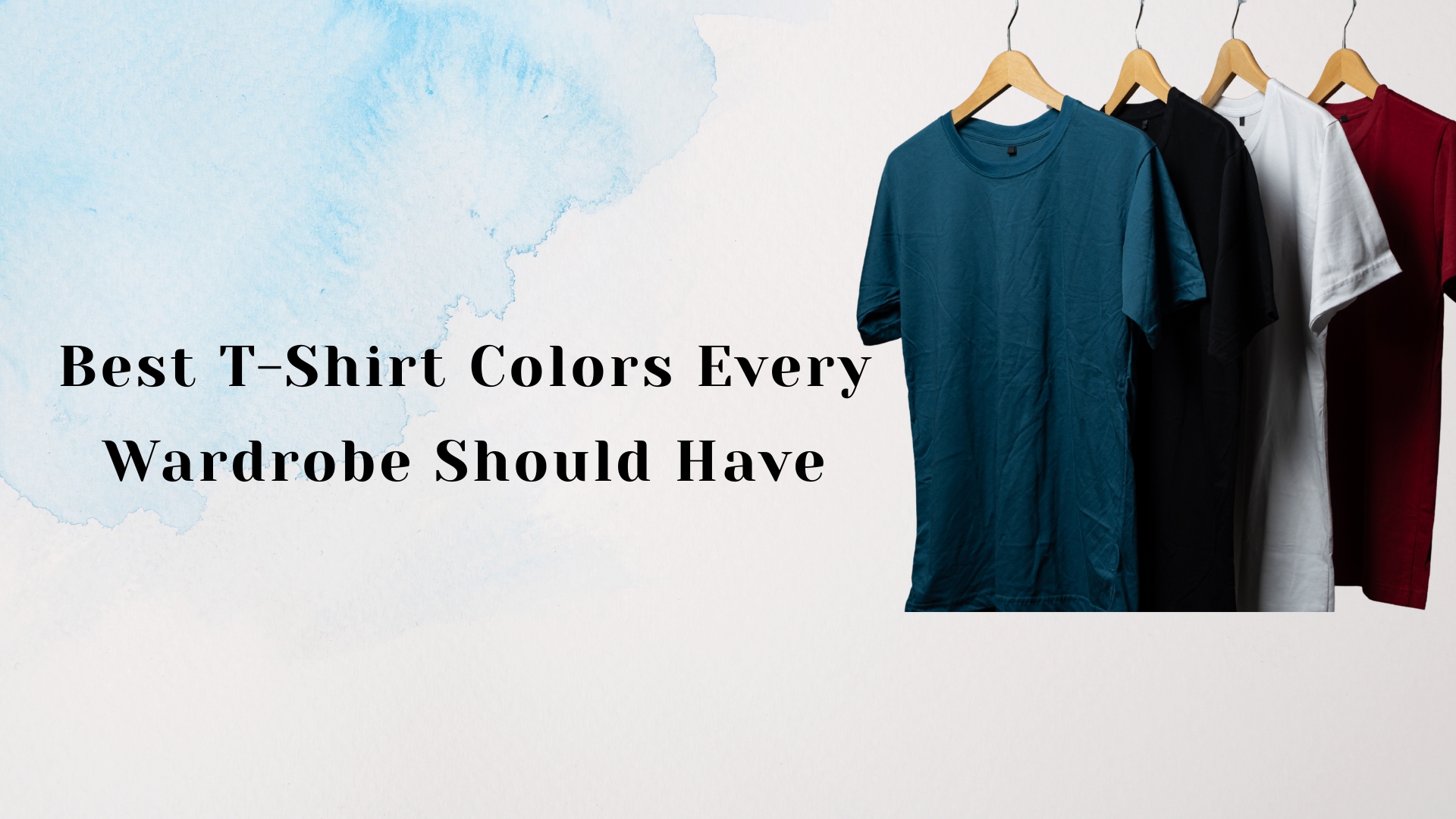
Best T-Shirt Colors Every Wardrobe Should Have

A great wardrobe is not built on quantity. It is built on versatility.

That realization changed how many modern men approach fashion today. Instead of buying dozens of trendy pieces that disappear after one season, people are investing in timeless essentials that work everywhere — from casual outings to workdays and weekend travel. And at the center of that wardrobe sits one underrated hero: the perfect T-shirt.

At Boer & Fitch, the philosophy behind premium mens wear starts from scratch — from sourcing fabrics to own manufacturing and quality finishing. The brand focuses on premium quality, affordable price, and clothing built with trust and assurance. But beyond fabric and fit, one question matters more than most people realize:

What colors should every wardrobe actually have?

After studying global menswear trends, textile preferences, and consumer buying patterns, a few colors consistently stand out as the foundation of a timeless wardrobe.


Why T-Shirt Colors Matter More Than You Think

Color influences perception instantly. According to research from Pantone and fashion trend studies published by WGSN, consumers naturally gravitate toward versatile and emotionally comforting colors when purchasing everyday wear.

The reason is simple:

  • Neutral colors increase outfit combinations
  • Timeless shades reduce fashion waste
  • Versatile tones work across seasons
  • Solid colors enhance layering and styling

For premium mens wear Manufacturers like Boer & Fitch, selecting the right shades is not only about trends — it is about creating pieces men genuinely wear repeatedly.


H2: The Essential T-Shirt Colors Every Man Needs

H3: 1. Classic White – The Universal Essential

No wardrobe is complete without a clean white T-shirt.

A white tee represents simplicity, confidence, and versatility. It pairs effortlessly with:

  • Blue denim
  • Black jeans
  • Cargo pants
  • Overshirts
  • Blazers

The challenge, however, lies in quality. Cheap white T-shirts often become transparent, lose shape, or yellow quickly after washes.

That is why premium quality sourcing matters. Manufacturers that control production from scratch can maintain better GSM consistency, stitching precision, and fabric durability.

At Boer & Fitch, own manufacturing helps maintain fabric standards that keep whites cleaner, stronger, and longer-lasting.


H3: 2. Black – The Most Powerful Minimalist Color

If white is versatility, black is confidence.

A black T-shirt works in almost every setting:

  • Evening outings
  • Airport looks
  • Smart casual styling
  • Layered streetwear fits

Fashion stylists often call black the “instant sharpener” because it naturally creates a cleaner silhouette.

The key insight many overlook:
Not all black T-shirts age well.

Poor dye quality causes fading after multiple washes. Premium Manufacturers invest heavily in color retention technology and sourcing methods to maintain depth and richness over time.

That difference becomes visible after months of wear.


H3: 3. Navy Blue – The Smart Alternative to Black

Navy blue is one of the most underrated colors in mens wear.

It offers the sophistication of black while feeling softer and more adaptable during daytime styling. Navy works exceptionally well with:

  • Beige chinos
  • Grey trousers
  • White sneakers
  • Denim jackets

According to trend reports from GQ India, navy remains one of the highest-performing menswear colors because it balances formal and casual aesthetics perfectly.

For men building a capsule wardrobe, navy blue is non-negotiable.


H3: 4. Grey – The Modern Everyday Color

Grey T-shirts have become a modern staple because they fit effortlessly into minimalist fashion.

Light grey feels fresh and casual.
Charcoal grey feels urban and premium.

Grey also complements nearly every skin tone, which explains its popularity among global streetwear brands and premium apparel Manufacturers.

The real advantage of grey lies in layering:

  • Works under jackets
  • Matches textured overshirts
  • Pairs with both dark and light denim

At an affordable price point, a high-quality grey T-shirt often becomes one of the most frequently worn items in a wardrobe.


H3: 5. Olive Green – The Elevated Neutral

Over the past few years, olive green has evolved from military-inspired fashion into a modern wardrobe essential.

Olive works because it adds personality without becoming loud.

It pairs beautifully with:

  • Black denim
  • Cream trousers
  • White sneakers
  • Earth-tone layering pieces

Premium brands increasingly use olive because it offers uniqueness while remaining versatile.

This shift reflects a broader consumer trend toward grounded, natural color palettes inspired by utility wear and sustainable fashion aesthetics.


H2: Why Fabric Quality Matters More Than Color Alone

A great color cannot save a poor-quality T-shirt.

Consumers today are more educated than ever. Research from McKinsey & Company shows that shoppers increasingly prioritize:

  • Fabric longevity
  • Comfort
  • Ethical sourcing
  • Manufacturing transparency

That is where brands with own manufacturing gain a major advantage.

When production happens from scratch, brands can control:

  • Cotton sourcing
  • Stitch quality
  • Fabric shrinkage
  • Dye consistency
  • Fit accuracy

At Boer & Fitch, the focus remains on delivering premium quality mens wear built with trust and assurance rather than fast-fashion shortcuts.


H2: Building a Smart Wardrobe Instead of a Large Wardrobe

One interesting shift in modern fashion is the movement away from excessive shopping.

Men today increasingly prefer:

  • Fewer pieces
  • Better quality
  • Timeless colors
  • Reliable fits

Instead of buying 20 random T-shirts, a smarter approach is owning:

  • 2 white
  • 2 black
  • 2 navy
  • 1 grey
  • 1 olive

This creates dozens of outfit combinations without unnecessary clutter.

That balance between premium quality and affordable price is exactly why modern consumers are becoming more selective about the brands they trust.


Conclusion

The best wardrobes are not built overnight.
They are built carefully — one reliable essential at a time.

White, black, navy, grey, and olive remain timeless because they adapt effortlessly to changing styles, seasons, and lifestyles. But beyond color, the real difference comes from craftsmanship, sourcing, and manufacturing integrity.

That is why brands like Boer & Fitch continue focusing on premium quality mens wear Manufacturers standards — creating apparel from scratch with comfort, durability, and trust at the core.

Explore Premium Essentials with Boer & Fitch

Looking to upgrade your everyday wear with timeless colors and premium comfort?

Explore the latest collection from Boer & Fitch Official Store and discover premium quality T-shirts designed for modern wardrobes at an affordable price.

Build your essentials. Wear with confidence.
Why Boer & Fitch Is the Go-To Brand for Premium Everyday Wear

In a market flooded with fast fashion and inconsistent quality, finding a brand that truly delivers on premium everyday wear is rare. That’s where boer and fitch stands apart. Built on the principles of own manufacturing, sourcing from scratch, and delivering premium quality at an affordable price, the brand is quietly redefining what modern mens wear should feel like—reliable, stylish, and built with trust and assurance.

But what actually makes Boer & Fitch a go-to choice, rather than just another clothing label? Let’s break it down.


The Problem with Most Everyday Wear Brands

Before understanding Boer & Fitch’s edge, it’s important to see where most brands fall short.

Many apparel brands today rely on:

  • Outsourced production with little quality control
  • Inconsistent fabric sourcing
  • Mass-produced designs with minimal durability
  • Inflated pricing due to branding rather than value

According to insights from platforms like [McKinsey’s State of Fashion reports] (you can link this internally/external on your website), modern consumers are shifting toward value-driven purchases—they want durability, transparency, and comfort, not just logos.

This shift is exactly where Boer & Fitch gains its strength.


Own Manufacturing: Control from Scratch

Why It Matters

One of the biggest differentiators of boer and fitch is its own manufacturing process.

Instead of depending on third-party factories, the brand builds its products from scratch—starting from sourcing raw materials to final stitching and finishing.

What This Means for You

  • Better quality control at every stage
  • Consistent sizing and fit across collections
  • Reduced defects and improved durability
  • Faster adaptation to trends without compromising standards

This level of control is something only true manufacturers can offer—not just resellers.


Premium Quality That You Can Feel

Premium isn’t just a buzzword—it’s something you experience the moment you wear the product.

Boer & Fitch focuses on:

  • High-grade cotton fabrics
  • Balanced GSM (not too thin, not too heavy)
  • Breathable weaves suited for Indian weather
  • Color retention and shrink resistance

Research from textile standards organizations like [Cotton Incorporated] highlights that fabric quality directly impacts comfort, longevity, and user satisfaction—and this is where Boer & Fitch consistently delivers.

Real-World Insight

Many customers initially try Boer & Fitch for style—but stay for the comfort and long-lasting wear. A T-shirt that holds shape after multiple washes becomes a wardrobe essential, not just a one-time purchase.


Affordable Price Without Compromising Value

Here’s where things get interesting.

Most brands position themselves as either:

  • Affordable but low quality
  • Premium but overpriced

Boer & Fitch bridges that gap by combining:

  • Direct manufacturing
  • Efficient sourcing
  • Minimal middlemen

This allows the brand to offer premium mens wear at an affordable price—something that aligns perfectly with today’s smart buyers.

Why This Works

When you remove unnecessary costs like excessive retail markups or third-party commissions, you can invest more into:

  • Better fabrics
  • Better stitching
  • Better finishing

And that’s exactly what Boer & Fitch does.


Built with Trust and Assurance

In fashion, trust isn’t built overnight—it comes from consistency.

Boer & Fitch focuses on:

  • Delivering what’s promised
  • Maintaining quality across batches
  • Transparent production approach
  • Customer-first mindset

This creates a sense of assurance that customers value deeply—especially in online shopping where uncertainty is high.

A Shift in Consumer Behavior

Modern buyers are no longer impulsive—they are informed. They:

  • Read reviews
  • Compare quality
  • Look for long-term value

Brands that win today are those that build trust, not just hype.


Designed for Everyday Wear

What truly makes Boer & Fitch stand out is its focus on everyday usability.

This isn’t high-fashion that sits in your wardrobe—it’s clothing you actually live in.

Key Features of Everyday Wear Excellence

  • Versatile designs (work, casual, travel)
  • Comfortable fits for long hours
  • Durable fabrics for repeated use
  • Minimal yet premium aesthetics

Whether it’s a basic tee or a styled piece, the goal is simple:
Make it wearable, repeatable, and reliable.


Comparison: Boer & Fitch vs Typical Apparel Brands

FeatureBoer & FitchTypical Brands
ManufacturingOwn manufacturingOutsourced
Fabric SourcingFrom scratchBulk third-party
Quality ControlHighInconsistent
PricingAffordable premiumEither cheap or overpriced
Trust FactorBuilt with assuranceBrand-dependent

Key Takeaways

  • Boer and fitch is not just a brand—it’s a manufacturer-driven label
  • Full control from sourcing to stitching ensures premium quality
  • Offers mens wear that balances comfort, durability, and style
  • Delivers affordable pricing without compromising standards
  • Built on trust and assurance, not just marketing

Final Thoughts

In a world where fashion often prioritizes speed over substance, Boer & Fitch takes a different path—one that values craftsmanship, consistency, and customer trust.

That’s what makes it the go-to brand for premium everyday wear.

Ready to upgrade your everyday wardrobe?

Explore the latest Boer & Fitch mens wear collection and experience the difference that true manufacturing, premium quality, and trusted craftsmanship can make.

👉 Discover your next favorite outfit today.

Top Reasons Customers Trust Boer & Fitch for Quality Clothing

Introduction: Trust Isn’t Marketed—It’s Earned

In a market crowded with fast fashion and short-lived trends, boer and fitch stands out for a different reason: trust. Customers don’t just buy mens and womens wear from the brand—they return to it. That loyalty is built quietly, through consistent quality, transparent processes, and a rare commitment to doing things from scratch. As manufacturers with own manufacturing, Boer & Fitch controls every step—from sourcing yarn to finishing garments—ensuring premium quality at an affordable price, built with trust and assurance.

This article explores why customers place that trust in Boer & Fitch, and what truly differentiates the brand in today’s apparel landscape.


How Boer & Fitch Compares in a Fast-Fashion World

Fast Fashion vs. Manufacturer-Led Brands

Most apparel brands today outsource production across multiple vendors. While this speeds up launches, it often compromises consistency. Boer & Fitch takes the opposite approach.

Key difference:

  • Fast fashion brands optimize for speed and cost
  • Boer & Fitch optimizes for quality, fit, and long-term wearability

According to a recent McKinsey & Company fashion industry report, consumers are increasingly valuing durability and transparency over trend churn. Boer & Fitch aligns directly with this shift.


Own Manufacturing: Quality Control from Scratch

Why In-House Manufacturing Matters

One of the strongest reasons customers trust Boer & Fitch is its own manufacturing model. Unlike brands that rely on third-party factories, Boer & Fitch is involved from scratch.

This means:

  • Direct oversight of fabric knitting and dyeing
  • Controlled stitching, sizing, and finishing
  • Consistent quality across mens wear and womens wear

From a customer’s perspective, this translates into predictable fit, reliable fabric feel, and garments that age well after repeated washes.

Industry experts at Textile Exchange emphasize that vertically integrated manufacturing significantly improves traceability and quality assurance—something Boer & Fitch practices by design, not trend.


Thoughtful Sourcing: The Foundation of Premium Quality

Fabric First, Always

Premium clothing doesn’t start on the cutting table—it starts with sourcing. Boer & Fitch prioritizes cotton quality, GSM accuracy, and yarn strength before design decisions are made.

Customers often notice:

  • Softer hand feel
  • Better breathability for Indian climates
  • Reduced pilling and shrinkage

This aligns with findings from Cotton Incorporated, which highlights how fiber selection directly impacts garment longevity and comfort.

By investing early in sourcing, Boer & Fitch avoids downstream compromises—resulting in premium quality without inflated pricing.


Designed for Real People: Mens and Womens Wear That Fits

Fit Isn’t a Guess—It’s Engineered

One recurring customer insight is fit consistency. Boer & Fitch develops its mens wear and womens wear using real body data and repeated wear testing.

Rather than copying international size templates, the brand refines fits based on:

  • Indian body proportions
  • Daily wear use-cases
  • Long-hour comfort

This attention to fit builds confidence—customers know that reordering the same size will feel the same every time.


Premium Quality at an Affordable Price: The Value Equation

Where the Savings Really Come From

Affordable pricing often raises suspicion. Boer & Fitch earns trust by explaining how affordability is achieved:

  • No excessive middlemen
  • Direct-to-consumer efficiency
  • In-house production economies

By eliminating unnecessary markups, the brand offers premium quality at an affordable price—a balance that customers increasingly seek, especially in everyday essentials.

As noted by Harvard Business Review, brands that align price transparency with quality consistency see higher long-term customer trust and retention.


Built with Trust and Assurance: Beyond the Product

Customer Experience Matters

Trust doesn’t end at the product. Boer & Fitch reinforces assurance through:

  • Clear size guides and product details
  • Honest fabric descriptions
  • Responsive post-purchase support

These details reduce uncertainty—one of the biggest barriers in online apparel shopping.

Customers often describe the experience as “reliable” and “no surprises,” which is perhaps the highest compliment in e-commerce.


Why Customers Stay: A Manufacturer’s Mindset

Boer & Fitch doesn’t think like a marketing-first brand—it thinks like manufacturers. That mindset prioritizes:

  • Long-term relationships over one-time sales
  • Product integrity over hype
  • Continuous improvement based on feedback

This is why trust compounds over time. Each satisfied purchase reinforces the next.


Conclusion: Trust Is the Real Differentiator

In an industry where claims are loud and proof is rare, Boer & Fitch earns trust quietly—through own manufacturing, responsible sourcing, reliable fits, and honest pricing. For customers seeking mens and womens wear that delivers premium quality without the premium markup, the choice feels natural.

Trust, after all, isn’t built overnight. It’s built from scratch—just like every Boer & Fitch garment.


Have you experienced Boer & Fitch quality firsthand? Explore our latest mens wear and womens wear collections, or share your thoughts and experiences with us. If you value clothing built with trust and assurance, your wardrobe journey starts here.

Why Indian-Made Apparel Is Gaining Global Attention

Introduction: A Global Shift Towards Indian Craftsmanship

Walk into any international fashion marketplace today, and you’ll notice a quiet but powerful shift—Indian-made apparel is no longer just an alternative; it’s becoming a preferred choice. Brands like boer and fitch, known for mens and womens wear, are redefining how global consumers perceive Indian manufacturing.

What’s driving this change? It’s not just affordability—it’s the combination of own manufacturing, sourcing from scratch, premium quality, and building with trust and assurance. Indian manufacturers are proving that they can deliver world-class fashion without compromising on price or ethics.


From Outsourcing Hub to Global Fashion Leader

For years, India was seen primarily as a mass production hub. Today, that narrative is evolving.

According to insights from organizations like the World Trade Organization and McKinsey’s State of Fashion reports, global brands are increasingly diversifying sourcing away from single-country dependence. India stands out due to:

  • A strong textile heritage
  • Skilled labor across production stages
  • Growing focus on sustainability and compliance
  • Competitive yet affordable pricing

Unlike fast fashion factories, many Indian brands now control their own manufacturing, ensuring better quality checks and design consistency.


What Sets Indian-Made Apparel Apart?

1. End-to-End Manufacturing Control

One of the biggest advantages is the ability to manage production from scratch—from fabric sourcing to final stitching.

At brands like boer and fitch, this means:

  • Direct sourcing of raw materials
  • Strict quality checks at every stage
  • Better design flexibility

This level of control ensures premium quality while maintaining an affordable price—a balance global consumers actively seek.


2. Fabric Excellence & Sourcing Strength

India is one of the largest producers of cotton in the world, and this naturally gives Indian apparel a competitive edge.

High-quality cotton, advanced dyeing techniques, and improved fabric processing technologies contribute to:

  • Softer, breathable fabrics
  • Better durability and color retention
  • Comfort suited for global climates

This is particularly important in mens wear and womens wear, where comfort and longevity directly influence buying decisions.


3. Skilled Craftsmanship Meets Modern Technology

India’s textile ecosystem blends traditional craftsmanship with modern manufacturing.

You’ll find:

  • Precision stitching techniques
  • Advanced knitting and finishing machines
  • Experienced artisans working alongside automated systems

This hybrid approach allows manufacturers to scale production without losing attention to detail—a key factor in gaining international trust.


Comparison: Indian Apparel vs Global Fast Fashion

FactorIndian-Made ApparelTypical Fast Fashion
QualityPremium quality focusOften inconsistent
PricingAffordable price with valueCheap but short lifespan
ManufacturingOwn manufacturing, controlledOutsourced, fragmented
SustainabilityIncreasing focusOften overlooked
TrustBuild with trust and assuranceBrand-dependent

This shift is why conscious consumers are moving towards Indian brands that offer both quality and transparency.


Rising Demand for Ethical & Transparent Fashion

Modern consumers are more informed than ever. They want to know:

  • Where their clothes come from
  • How they are made
  • Whether workers are treated fairly

Indian brands are responding by emphasizing:

  • Ethical sourcing practices
  • Transparent manufacturing processes
  • Responsible production methods

Brands like boer and fitch are building long-term customer relationships by focusing on trust and assurance, rather than just transactions.


The Role of Direct-to-Consumer Brands

Another reason for global attention is the rise of D2C (Direct-to-Consumer) brands in India.

By eliminating middlemen, brands can:

  • Offer premium quality at affordable price points
  • Maintain direct communication with customers
  • Continuously improve products based on feedback

This model allows brands to stay agile and globally competitive.


Key Insights: Why the World Is Watching India

  • Quality + Affordability is no longer a trade-off
  • Strong own manufacturing capabilities improve consistency
  • Efficient sourcing from scratch enhances product value
  • Focus on mens and womens wear essentials aligns with global demand
  • Growing reputation of Indian manufacturers builds trust internationally

In short, India is no longer just producing clothes—it’s building brands.


Conclusion: The Future Belongs to Trusted, Quality-Driven Brands

Indian-made apparel is gaining global attention because it delivers what modern consumers truly want: quality, transparency, and value.

Brands like boer and fitch are leading this shift by combining:

  • Thoughtful design
  • Strong manufacturing control
  • Reliable sourcing
  • A commitment to premium quality at an affordable price

As global fashion moves toward conscious consumption, Indian brands are perfectly positioned to lead—not follow.


Call to Action

Looking to upgrade your wardrobe with premium mens and womens wear built with trust and assurance?

Explore the latest collections from boer and fitch and experience the difference of quality-driven Indian manufacturing.

👉 Discover your style today and be part of the movement redefining global fashion.

Sustainable Clothing in India: Affordable Premium Fashion – Myth or Reality?

Introduction: Can Sustainability and Affordability Coexist?

“Premium quality” and “affordable price” often feel like opposites—especially in fashion. Add sustainability into the mix, and many assume it becomes even more expensive. But is that really the case in India today?

With brands like boer and fitch focusing on mens and womens wear, own manufacturing, and sourcing from scratch, the conversation is shifting. The real question isn’t whether sustainable clothing is expensive—it’s whether we’ve been looking at cost the wrong way all along.


The Indian Fashion Landscape: Fast vs Sustainable

India’s apparel market has long been dominated by fast fashion—low prices, high volume, and quick trends. While this makes clothing accessible, it often comes with hidden costs:

  • Lower fabric durability
  • Poor stitching and finishing
  • Environmental damage due to mass production

According to a report by , the fashion industry is one of the largest contributors to waste and pollution globally. India, being a major textile hub, plays a crucial role in this ecosystem.

So where does sustainable fashion stand?

Sustainable clothing focuses on:

  • Ethical sourcing
  • Quality materials
  • Longer product life cycles
  • Responsible manufacturing

But traditionally, these factors have increased pricing—creating the perception that sustainability = luxury only.


The Myth: Sustainable Means Expensive

Let’s address the biggest misconception.

Yes, some sustainable brands charge premium prices. But the reason is often:

  • Outsourced production
  • Import-heavy sourcing
  • Brand positioning as “luxury-only”

This doesn’t mean sustainability itself is expensive—it means the process model is.


The Reality: Smart Manufacturing Changes Everything

This is where brands like boer and fitch challenge the narrative.

By focusing on own manufacturing and building garments from scratch, brands can control:

  • Fabric sourcing
  • Production costs
  • Quality standards

Why this matters:

Instead of paying multiple middlemen, vertically integrated manufacturers streamline the process.

Key advantages:

  • ✅ Reduced production costs
  • ✅ Better quality control
  • ✅ Consistent sizing and finishing
  • ✅ Ability to offer premium quality at an affordable price

This model is increasingly being recognized globally. A study by highlights how supply chain control is key to balancing cost and sustainability.


From Sourcing to Stitching: The Boer & Fitch Approach

What makes boer and fitch stand out is its end-to-end involvement in the garment journey.

1. Sourcing with Purpose

Instead of chasing the cheapest materials, the focus is on durable, breathable fabrics—especially suitable for Indian climates.

2. Manufacturing from Scratch

Every piece of mens wear and womens wear is developed in-house, ensuring:

  • Strong stitching
  • Fabric consistency
  • Long-lasting wear

3. Built with Trust and Assurance

When a brand controls production, it doesn’t just sell clothes—it builds reliability.

This approach allows boer and fitch to deliver:

  • Premium feel without inflated pricing
  • Transparency in quality
  • A balance between style, comfort, and responsibility

Rethinking “Cost”: Price vs Value

Here’s a perspective shift most shoppers overlook.

A ₹500 fast fashion t-shirt that lasts 5 washes
vs
A ₹900 premium t-shirt that lasts 50 washes

Which is actually cheaper?

Sustainable fashion isn’t about spending more—it’s about:

  • Spending smarter
  • Buying less frequently
  • Choosing durability over disposability

In the long run, affordable premium fashion becomes more economical.


Key Insights: Myth vs Reality

Myth:

  • Sustainable clothing is always expensive
  • Premium fashion is only for luxury buyers
  • Indian brands can’t compete with global quality

Reality:

  • Smart manufacturers reduce costs significantly
  • Own manufacturing enables better pricing
  • Indian brands like boer and fitch are redefining value

The Future of Sustainable Fashion in India

India is uniquely positioned to lead this shift.

Why?

  • Strong textile heritage
  • Skilled workforce
  • Growing awareness among consumers

As more brands adopt ethical sourcing and in-house production, the gap between premium quality and affordable price will continue to shrink.

And consumers are already changing:

  • Prioritizing quality over quantity
  • Supporting transparent brands
  • Choosing comfort and durability

Conclusion: Myth Broken

So, is sustainable clothing in India affordable?

Yes—but only when done right.

Brands that invest in own manufacturing, focus on sourcing from scratch, and commit to building with trust and assurance are proving that premium doesn’t have to mean overpriced.

boer and fitch stands as a strong example of this new wave—where mens and womens wear combines style, durability, and responsibility without compromising affordability.


Call to Action 🚀

Ready to upgrade your wardrobe with premium quality that actually lasts?

Explore the latest collection from boer and fitch and experience the difference of clothing made with purpose.

👉 Choose better. Wear longer. Invest smarter.

What’s your take—do you think sustainable fashion in India is still expensive, or is the shift already happening? Let’s discuss in the comments 👇

Sustainable Clothing in India: How Boer & Fitch Is Moving Forward

Introduction: Why Sustainable Clothing Matters Today

In recent years, sustainable clothing in India has shifted from a niche concept to a growing movement. Consumers are becoming more conscious about how their clothes are made, where materials come from, and the impact of fashion on the environment.

Amid this change, Boer & Fitch is moving forward with a clear philosophy: create premium quality mens wear and womens wear at an affordable price, while maintaining transparency in manufacturing, sourcing, and craftsmanship.

Instead of following the fast-fashion model that prioritizes volume over quality, Boer & Fitch focuses on own manufacturing from scratch, ensuring every piece is built with trust and assurance. This approach not only improves product quality but also contributes to a more responsible fashion ecosystem.

Let’s explore how sustainable fashion is evolving in India and how Boer & Fitch manufacturers are contributing to that transformation.


The Rise of Sustainable Fashion in India

India’s fashion industry is one of the largest textile producers in the world. However, fast fashion has also brought significant environmental concerns.

According to the United Nations Environment Programme, the global fashion industry accounts for nearly 10% of worldwide carbon emissions, making sustainability a major priority for future clothing production.

Research by McKinsey & Company also highlights that modern consumers increasingly prefer brands that emphasize ethical sourcing, transparency, and durability.

This shift is encouraging brands to rethink their production processes, including:

  • Responsible fabric sourcing
  • Efficient manufacturing systems
  • Durable clothing that lasts longer
  • Transparent supply chains

For brands like Boer & Fitch, sustainability starts not just with marketing claims but with how the product is built from the ground up.


Own Manufacturing: Building Clothing from Scratch

One of the most important aspects that sets Boer & Fitch apart is its commitment to own manufacturing.

Instead of relying heavily on outsourced production, the brand focuses on creating garments from scratch, ensuring full control over quality, fabric selection, and finishing.

This approach offers several advantages:

1. Better Quality Control

When manufacturers oversee every stage—from sourcing fabrics to final stitching—the result is a more refined and consistent product.

For mens wear and womens wear, this means:

  • Stronger stitching
  • Long-lasting fabric quality
  • Comfortable fits

2. Responsible Sourcing

Sustainable clothing starts with smart sourcing decisions. Boer & Fitch prioritizes materials that balance durability, comfort, and environmental responsibility.

Industry experts from the Textile Exchange emphasize that choosing better materials and improving manufacturing efficiency significantly reduces environmental impact.

3. Reduced Waste in Production

Producing garments internally helps minimize unnecessary waste during the manufacturing process. Controlled production runs also prevent the overproduction commonly seen in fast fashion.


Premium Quality at an Affordable Price

One of the biggest misconceptions about sustainable clothing is that it must be expensive. However, brands like Boer & Fitch challenge this idea.

By managing manufacturing directly and sourcing fabrics strategically, the brand maintains a balance between:

  • Premium quality
  • Affordable pricing
  • Reliable manufacturing standards

This approach allows customers to access high-quality mens wear and womens wear without paying luxury-brand prices.

For consumers, this means clothing that:

  • Feels better on the skin
  • Lasts longer through multiple washes
  • Maintains shape and color

Durability itself is a key component of sustainability—buying fewer but better clothes reduces overall environmental impact.


Building Trust Through Transparency

Trust plays a major role in sustainable fashion. Customers today want to know who makes their clothes and how they are produced.

Boer & Fitch focuses on building that trust by emphasizing:

  • Clear sourcing practices
  • Own manufacturing process
  • Quality assurance standards

Every garment represents a commitment to manufacturing integrity and product reliability.

Unlike fast fashion brands that frequently change suppliers, controlled manufacturing allows Boer & Fitch to maintain consistent craftsmanship across mens wear and womens wear collections.


Key Insights: What Makes Boer & Fitch Different

Here are a few reasons why Boer & Fitch manufacturers are moving forward in the sustainable clothing space:

1. Manufacturing Control
Producing garments from scratch ensures better oversight of materials and craftsmanship.

2. Focus on Quality Over Quantity
Rather than mass-producing disposable clothing, the brand focuses on long-lasting apparel.

3. Affordable Premium Fashion
By optimizing sourcing and production, the brand keeps prices accessible without compromising quality.

4. Trust and Assurance
Transparency in sourcing and manufacturing builds stronger relationships with customers.


The Future of Sustainable Clothing in India

India is uniquely positioned to lead the global sustainable fashion movement due to its strong textile heritage and skilled manufacturing workforce.

As consumer awareness continues to grow, brands that prioritize responsible manufacturing, premium materials, and fair pricing will stand out.

Boer & Fitch represents a new generation of apparel brands that combine:

  • Modern design
  • Efficient manufacturing
  • Customer trust

By focusing on mens wear and womens wear built from scratch, the brand contributes to a more sustainable and responsible fashion future.


Conclusion

Sustainable fashion isn’t just about eco-friendly fabrics—it’s about rethinking how clothing is designed, sourced, and manufactured.

Through own manufacturing, responsible sourcing, and a commitment to premium quality at affordable prices, Boer & Fitch is moving forward as a brand built on trust and assurance.

For customers, that means clothing that doesn’t just look good—but also represents thoughtful manufacturing and lasting value.


Explore Boer & Fitch

If you’re looking for premium mens wear and womens wear built with trust and quality, explore the latest collections from Boer & Fitch.

Choose clothing that combines comfort, durability, and responsible manufacturing.

👉 Discover the collection and experience premium quality at an affordable price with Boer & Fitch.

Top Reasons Customers Trust Boer and Fitch for Quality Clothing

In a world flooded with fast fashion and mass production, boer and fitch has earned something far more valuable than sales — customer trust. When shoppers choose mens and womens collections today, they are not just buying fabric; they are investing in quality, comfort, and assurance. The real question is: what makes a brand truly trustworthy in clothing?

Let’s explore the deeper reasons why customers consistently place their confidence in boer and fitch, from own manufacturing practices to premium quality at an affordable price.


The Shift: From Fast Fashion to Quality-First Thinking

Over the past decade, the global fashion industry has faced criticism for poor durability and unsustainable production. Reports from organizations like the Ellen MacArthur Foundation highlight how clothing utilization has dramatically decreased, pushing consumers to seek longer-lasting garments.

Today’s buyers are more informed. They read fabric labels. They compare stitching quality. They ask where and how products are made.

This shift has opened space for brands that manufacture from scratch — brands that control sourcing, production, and finishing rather than outsourcing blindly. That’s where boer and fitch stands apart.


Own Manufacturing: Built from Scratch, Not Assembled

One of the strongest trust signals for any apparel brand is own manufacturing.

Instead of relying solely on third-party suppliers, boer and fitch focuses on creating mens wear and womens wear from scratch. That means:

  • Direct sourcing of raw materials
  • Close supervision of fabric processing
  • Controlled cutting and stitching
  • Strict quality checks before dispatch

When a brand oversees its production line, it eliminates inconsistency. Customers feel that consistency every time they wear the garment.

Many established global Manufacturers emphasize vertical integration for quality control — a strategy discussed widely in apparel manufacturing studies by platforms like McKinsey & Company, which note that integrated supply chains improve reliability and product standards.

For customers, this translates into a simple experience: what you buy today matches what you loved yesterday.


Sourcing with Purpose: Fabric Is the Foundation

Trust begins with sourcing.

Premium quality clothing is not just about brand labels — it starts with the yarn. Cotton grade, fiber length, GSM (grams per square meter), and dye quality determine durability and comfort.

Boer and fitch invests time in sourcing fabrics that:

  • Maintain shape after multiple washes
  • Resist color fading
  • Feel breathable in Indian climates
  • Offer comfort for both mens and womens wear

Unlike mass-market fast fashion that prioritizes cost reduction, quality-focused brands treat sourcing as the backbone of their reputation.

Customers notice when a T-shirt retains structure after six months. They remember when a hoodie doesn’t pill after three washes. That lived experience builds trust stronger than any advertisement.


Premium Quality at an Affordable Price

There’s a common myth: premium quality must mean premium price.

But modern consumers want value — not luxury markups. According to consumer behavior insights published by Deloitte, value perception is now driven by durability and cost-per-wear rather than initial price alone.

Boer and fitch bridges this gap by offering:

  • High-quality fabrics
  • Precise stitching and finishing
  • Thoughtful fit for mens and womens
  • Affordable price positioning

When customers calculate cost-per-wear, a durable ₹999 premium T-shirt that lasts a year becomes smarter than a ₹499 fast-fashion piece that fades in two months.

That’s not just affordability — that’s smart value.


Consistency in Mens Wear and Womens Wear

Another reason customers trust boer and fitch is balance.

Some brands excel in mens wear but overlook womens wear. Others prioritize trends over fit. Trust grows when both segments receive equal attention.

Boer and fitch focuses on:

  • Structured fits for mens wear
  • Comfort-led silhouettes for womens wear
  • Practical sizing charts
  • Fabric suitability for daily Indian use

When customers see thoughtful sizing and honest measurement guides, they feel respected — not misled.

Consistency across categories reinforces the idea that the brand is built with trust and assurance, not short-term trends.


Transparency Creates Assurance

Trust doesn’t come from slogans. It comes from transparency.

Customers today want answers:

  • Who are the Manufacturers?
  • Where is the garment made?
  • What fabric is used?
  • How should it be maintained?

Brands that openly discuss their own manufacturing process reduce buyer hesitation. Transparency reduces return rates, builds loyalty, and increases repeat purchases.

Boer and fitch embraces that clarity — explaining sourcing, production standards, and care instructions clearly rather than hiding behind vague descriptions.

That transparency converts first-time buyers into long-term supporters.


The Emotional Side of Trust

Beyond fabric and stitching, there’s something deeper: emotional reliability.

When someone buys clothing for work, travel, or daily life, they don’t want surprises. They want assurance.

Customers trust boer and fitch because:

  • Sizes match expectations
  • Colors reflect product images
  • Fabric feels substantial
  • Garments maintain structure

Over time, these small consistencies build a powerful emotional connection.

Trust is not built overnight. It is built wash after wash.


Comparison: Fast Fashion vs. Quality-Driven Manufacturing

Fast FashionBoer and Fitch Approach
Outsourced bulk productionOwn manufacturing control
Trend-driven, short lifespanPremium quality durability
Low upfront costAffordable price with long-term value
Limited sourcing transparencyClear sourcing process
Inconsistent fitStructured, consistent sizing

This contrast explains why customers return.


Final Thoughts: Trust Is the True Luxury

In today’s crowded fashion market, flashy marketing fades quickly. What remains is performance.

Boer and fitch earns customer trust by:

  • Manufacturing from scratch
  • Controlling sourcing
  • Delivering premium quality
  • Maintaining affordable price
  • Prioritizing mens and womens wear equally
  • Operating with assurance and consistency

Quality clothing is not about branding alone — it is about responsibility.


Ready to Experience the Difference?

If you’re looking for mens wear or womens wear that is built with trust and assurance, explore the latest collections from boer and fitch today.

Discover how premium quality and smart pricing can coexist.

👉 Browse the collection, feel the difference, and share your experience — because true style begins with trust.

Common Online Shopping Mistakes While Buying Clothing & How to Avoid Them

Online shopping feels effortless — a few clicks and your wardrobe is on the way. Yet most returns in fashion happen not because customers change their minds, but because expectations don’t match reality.

At boer and fitch, where we design mens wear and womens wear through our own manufacturing process — from scratch sourcing to final stitching — we’ve seen firsthand how avoidable mistakes lead to disappointment. The good news? A little awareness can transform your online shopping experience.

Let’s explore the most common mistakes and how to avoid them.


1. Ignoring Fabric Details (The Biggest Mistake)

Many shoppers focus only on color and price. But fabric determines comfort, durability, and fit retention.

According to textile insights published by organizations like the Cotton Association of India, fiber composition directly impacts breathability and shrinkage. Yet product pages are often skimmed.

What to Do Instead:

  • Check fabric composition (100% cotton, blended, jersey knit, GSM details).
  • Look for shrinkage and wash-care information.
  • Understand whether the brand controls sourcing and production.

At boer and fitch, we manage production from scratch, ensuring every material is carefully sourced and tested before it becomes part of our premium quality collections. When brands control their supply chain, consistency improves dramatically.


2. Assuming All Sizes Are Universal

A “Medium” in one brand may fit like a “Small” in another. This inconsistency is one of the top reasons behind fashion returns worldwide.

Why It Happens:

Many brands outsource to different manufacturers, leading to varying size standards.

How to Avoid It:

  • Always check the size chart (body vs garment measurement).
  • Measure yourself before ordering.
  • Look for brands that maintain consistent sizing through own manufacturing.

Because boer and fitch controls production internally, we ensure sizing consistency across both mens and womens collections. That control builds reliability — and reduces returns.


3. Falling for Price Alone

We’ve all done it — choosing the lowest price without questioning why it’s cheaper.

Low prices often mean:

  • Lower GSM fabric
  • Poor stitching quality
  • Weak color fastness
  • No quality inspection

Affordable doesn’t have to mean compromise. There’s a difference between “cheap” and “affordable price with value.”

Brands that manufacture directly rather than relying on multiple middlemen can offer premium quality at an affordable price — because cost savings come from efficiency, not shortcuts.


4. Overlooking Product Reviews & Brand Transparency

Reviews are powerful — but look beyond star ratings.

Check for:

  • Real customer photos
  • Comments about fabric feel
  • Wash durability feedback
  • Fit accuracy

Transparency is equally important. Does the brand share details about:

  • Where products are made?
  • Whether they handle their own sourcing?
  • Quality control processes?

A brand built with trust and assurance will openly discuss its manufacturing journey — not hide it.


5. Ignoring Return & Exchange Policies

Many shoppers check the return policy only after something goes wrong.

Before buying:

  • Read return timelines.
  • Check if exchanges are easy.
  • Confirm whether refunds are straightforward.

Clear policies reflect operational confidence. Manufacturers who stand behind their products don’t complicate returns — because they trust their quality.


6. Not Considering Long-Term Wear

Fashion shouldn’t be disposable.

When evaluating mens wear or womens wear, ask:

  • Will this last more than one season?
  • Is stitching reinforced?
  • Will colors fade after two washes?

A garment built from scratch with controlled sourcing and in-house inspection is designed for longevity. Durability is part of real premium quality — not just branding language.


7. Ignoring Brand Philosophy

Clothing is not just fabric — it’s values.

Is the brand:

  • Focused on fast trends?
  • Or building timeless essentials?
  • Transparent about manufacturing?
  • Committed to quality control?

At boer and fitch, our approach is simple:

  • Manufacture internally.
  • Source carefully.
  • Deliver consistent fit.
  • Offer affordable pricing without sacrificing standards.
  • Build with trust and assurance.

That philosophy shapes every mens and womens product we release.


Key Insights Before Your Next Purchase

To summarize, here’s a smarter checklist:

✔ Check fabric details, not just images
✔ Compare measurements carefully
✔ Look for own manufacturing brands
✔ Evaluate long-term durability
✔ Read policies before checkout
✔ Prioritize trust over trends

When brands act as real manufacturers — not just resellers — customers benefit from transparency, consistency, and quality control.


Why Manufacturing Matters More Than Marketing

One insight many shoppers overlook: the difference between a label and a manufacturer.

Brands that control production:

  • Maintain strict quality checks.
  • Ensure consistent sizing.
  • Monitor fabric sourcing.
  • Reduce dependency on third parties.
  • Offer better pricing efficiency.

This is how premium quality and affordable price can coexist.


Conclusion: Shop Smarter, Not Harder

Online fashion doesn’t have to be risky. With a little research and attention to detail, you can avoid most common mistakes.

Choose brands that:

  • Manufacture from scratch.
  • Handle sourcing responsibly.
  • Focus on premium quality.
  • Deliver mens and womens wear designed to last.
  • Build relationships on trust and assurance.

When you shop thoughtfully, your wardrobe becomes an investment — not an experiment.


Ready to Experience the Difference?

Explore the latest boer and fitch mens wear and womens wear collections crafted through our own manufacturing process.

Discover clothing built from scratch, sourced with care, designed for comfort, and delivered at an affordable price without compromising premium quality.

👉 Shop now and experience fashion built with trust and assurance.

Why Boer and Fitch Own Manufacturing Ensures Premium Quality

When you wear boer and fitch, you’re not just wearing mens and womens wear — you’re wearing a process built from scratch. In an industry where many brands outsource production to third-party Manufacturers, Boer and Fitch has chosen a different path: own manufacturing.

But why does that matter?

Because the journey of a garment — from sourcing raw cotton to final stitching — directly defines its premium quality, affordable price, and the trust it builds with customers. Let’s take a closer look at how controlling the process transforms everyday clothing into something reliable, refined, and built with assurance.


The Problem with Outsourced Manufacturing

Globally, the fashion industry often relies on fragmented supply chains. According to reports from organizations like the McKinsey & Company in The State of Fashion, brands that lack supply chain control often struggle with:

  • Inconsistent quality
  • Fabric substitutions
  • Delayed production timelines
  • Ethical sourcing concerns

When a brand doesn’t oversee sourcing and production directly, compromises can happen. Fabric weight might vary. Stitching quality may differ from batch to batch. The result? Customers receive products that don’t always match expectations.

This is exactly where boer and fitch own manufacturing model stands apart.


What “Own Manufacturing” Truly Means

Own manufacturing is not just about owning machines. It’s about controlling:

  • Sourcing of raw materials
  • Fabric knitting and dyeing processes
  • Cutting precision
  • Stitch quality
  • Finishing and quality checks

By managing production from scratch, Boer and Fitch ensures that both mens wear and womens wear meet consistent standards — every single time.

Instead of depending on external Manufacturers, the brand becomes directly accountable for quality. That accountability translates into trust.


From Scratch: The Power of Responsible Sourcing

Premium quality begins long before stitching. It starts with sourcing.

In textile production, fiber quality determines durability, softness, and breathability. According to the Textile Exchange, fiber selection significantly impacts garment longevity and sustainability.

When brands control sourcing:

  • Cotton grade is selected intentionally.
  • Fabric GSM is standardized.
  • Dyeing consistency is monitored.
  • Shrinkage tests are verified before bulk production.

For boer and fitch, sourcing is not transactional — it’s foundational. Every batch of mens and womens wear begins with material selected for comfort and durability, ensuring garments feel premium while lasting longer.


Quality Control at Every Stage

Here’s what truly separates own manufacturing from outsourced models: layered quality control.

1. Fabric Testing

  • GSM verification
  • Color fastness testing
  • Shrinkage checks

2. Precision Cutting

Modern cutting techniques ensure uniform sizing, reducing fit inconsistencies in both mens wear and womens wear.

3. Stitch & Finish Inspection

  • Seam strength testing
  • Thread durability checks
  • Final garment review before packaging

This level of control reduces defects and increases consistency — two major pillars of premium quality.


Premium Quality at an Affordable Price — How Is That Possible?

There’s a common myth: “Premium always means expensive.”

But when a brand relies on third-party Manufacturers, multiple markups get added:

  • Factory margin
  • Middleman commission
  • Logistics markup
  • Brand premium

By owning the manufacturing process, boer and fitch removes unnecessary intermediaries. That operational efficiency allows the brand to offer:

  • Premium quality
  • At an affordable price
  • Without compromising margins or standards

This direct-to-production model builds both value and trust — a rare balance in modern fashion.


Mens Wear & Womens Wear: Built with Trust and Assurance

Whether it’s mens wear designed for structured durability or womens wear crafted for comfort and flattering fits, consistency matters.

Customers return to brands that deliver:

  • Same fit, every purchase
  • Same fabric softness
  • Same lasting shape after multiple washes

Own manufacturing allows boer and fitch to maintain that consistency. It transforms clothing into something dependable — something built with trust and assurance.

In a market flooded with fast-fashion unpredictability, reliability becomes a competitive advantage.


Transparency Builds Brand Integrity

Modern consumers are more informed than ever. According to insights from the Business of Fashion, transparency in sourcing and production significantly influences brand loyalty.

When a brand openly controls its own manufacturing:

  • Quality promises feel authentic
  • Ethical practices become verifiable
  • Customers feel confident in their purchase

This transparency strengthens brand credibility — not through marketing claims, but through operational truth.


Comparison: Outsourced vs Own Manufacturing

FactorOutsourced ModelBoer and Fitch Own Manufacturing
Quality ConsistencyVaries by vendorStandardized & monitored
Cost ControlMultiple markupsDirect cost efficiency
Fabric SourcingLimited oversightControlled selection
Trust FactorMarketing-drivenProcess-driven

The difference is not subtle — it’s structural.


The Bigger Picture: Long-Term Value Over Short-Term Trends

Fast fashion prioritizes speed.
Own manufacturing prioritizes substance.

Boer and fitch chooses the second path — focusing on:

  • Durable garments
  • Controlled sourcing
  • Reliable quality
  • Affordable pricing without shortcuts

That long-term approach benefits not just the brand, but the customer wardrobe.

When a t-shirt holds its shape after repeated washes or when womens wear maintains color vibrancy over time, that’s not luck — that’s process control.


Conclusion: Why It Matters to You

At the end of the day, own manufacturing is about responsibility.

It means:

  • Accountability for every stitch.
  • Confidence in every fabric choice.
  • Assurance in every purchase.

Boer and fitch doesn’t just design mens and womens wear — it builds it from scratch. And that difference shows in the quality you feel, the durability you experience, and the price you appreciate.


Ready to Experience the Difference?

Explore the latest mens wear and womens wear collections from boer and fitch and feel what premium quality truly means.

Because when clothing is built with trust and assurance, you don’t just wear it — you rely on it.

👉 Discover the collection today and experience own manufacturing excellence firsthand.

From Factory to Finish: How Boer & Fitch Crafts Quality Menswear & Womens Wear

When you slip into a well-crafted shirt or tee that feels both comfortable and long-lasting, you may not think about the journey it took to get to your wardrobe. But behind every quality piece of mens wear and womens wear lies a story of deliberate choices, skilled hands, and uncompromising standards. At Boer and Fitch, this journey—from raw materials to finished apparel—is not just manufacturing; it’s a commitment to delivering premium quality at an affordable price with trust and assurance.

In this post, we’ll take you behind the scenes to understand how Boer & Fitch builds its collections from scratch, focusing on transparency, craftsmanship, and values that matter to modern consumers.


Why Own Manufacturing Matters: The Boer & Fitch Advantage

Most fashion brands outsource their production to third-party factories, often losing control over quality, timelines, and ethical practices. Boer & Fitch, however, stands apart by owning and closely supervising its manufacturing process.

Having own manufacturing facilities means:

  • Better quality control at every stage, from fabric inspection to final stitching.
  • Faster turnaround times, so new designs and restocks reach customers quicker.
  • A transparent supply chain that aligns with ethical labor and sustainability expectations.

This approach isn’t just about making clothes; it’s about building menswear and womenswear you can trust—garments that feel premium without the premium price tag.


Step 1: Sourcing Premium Fabrics

A garment’s quality begins with its material. Boer & Fitch sources fabrics known for comfort, durability, and performance. For example, cotton remains a top choice in both mens and womens wear due to its breathability and softness. According to the Cotton Board, cotton is one of the most preferred fibers globally because of its natural comfort and sustainability profile. (1)

The brand avoids low-grade blends that can pill, fade, or lose shape after a few washes. Instead, fabrics are selected based on:

  • Fiber strength
  • Thread count
  • GSM (grams per square meter) — an industry measure of fabric weight and durability (learn more about GSM basics here).

By prioritizing high-quality textiles, Boer & Fitch ensures garments feel good on your skin and stand up to everyday wear.


Step 2: Design with Purpose

Quality isn’t just fabric deep; it’s also in the design. Boer & Fitch’s design philosophy balances modern aesthetics with practicality. Whether it’s a fitted tee or a relaxed casual shirt, the brand pays attention to:

  • Fit profiles that accommodate diverse body types.
  • Functional details like reinforced seams and comfortable necklines.
  • Timeless styles that transcend fleeting trends.

This ensures that every piece, whether mens or womens wear, feels intentional and versatile—easy to pair with other wardrobe staples.


Step 3: Precision in Production

With fabrics and designs in place, precision manufacturing becomes crucial. Boer & Fitch’s team of skilled craftsmen and technicians oversee production from the very first cut to the final quality check.

Here’s how quality is ensured in the factory:

🔹 Cutting & Pattern Control

Each pattern is created using digital CAD systems to ensure consistency in sizing across batches. This reduces waste and maintains fit standards.

🔹 Expert Stitching

Experienced machinists handle each garment, paying attention to seam strength, symmetry, and finish. Strong stitching is essential for garments that last longer and retain shape.

🔹 Mid-Production Quality Checks

Rather than waiting until the end, quality checks happen at various checkpoints. Irregularities are caught early—saving time and preventing flawed pieces from reaching customers.

This step-by-step scrutiny embodies why Boer & Fitch garments feel premium yet remain affordable—cost savings from efficiency are passed on to you.


Step 4: Final Inspection & Packaging

Before any item leaves the factory floor, it undergoes a final inspection. This ensures that only garments meeting the brand’s standards make it to your doorstep.

Key aspects evaluated include:

  • Color consistency
  • Print or embroidery accuracy
  • Size conformity
  • Overall finish

After inspection, products are carefully packaged, not just for presentation but for protection during transit.


How Boer & Fitch Balances Quality with Affordable Pricing

High craftsmanship often comes with high cost—but Boer & Fitch disrupts this notion by optimizing own manufacturing and sourcing directly from mills. This means:

  • Fewer middlemen, reducing markup at every stage.
  • Volume purchasing, lowering material costs.
  • Efficient production cycles, minimizing wastage.

The result? You get premium mens wear and womens wear with thoughtful construction and reliable comfort—without paying a luxury price.


Why This Matters: Trust, Assurance, and Wardrobe Value

In a market crowded with fast fashion, attention to how clothes are made becomes a differentiator. Boer & Fitch’s transparent approach builds trust and assurance because you know:

✔ The garment was made with quality materials.
✔ Skilled professionals oversaw production.
✔ There was rigorous quality control.
✔ Pricing reflects value, not unnecessary markups.

This resonates with conscious consumers who want clothes that feel good, last long, and align with their values.


Conclusion: More Than Clothes—A Crafted Experience

Every Boer & Fitch product is the culmination of thoughtful sourcing, skilled manufacturing, and a commitment to deliver premium quality at affordable prices. By owning the process—from fabric selection to finished garment—the brand ensures both mens and womens wear meet the standards today’s wardrobe demands.

Ready to experience quality you can trust?
👉 Explore the latest collections from Boer & Fitch and find your perfect fit.

What do you think about owning clothing that’s crafted with clarity and care? Share your thoughts below!