
More Than Just Mens Wear
In today’s fashion industry, clothing is produced faster than ever. Trends change overnight, fabrics are mass-produced, and quality is often sacrificed for volume. But behind every strong apparel brand is a deeper story — one built on craftsmanship, sourcing, trust, and consistency.
That is where Boer & Fitch stands apart.
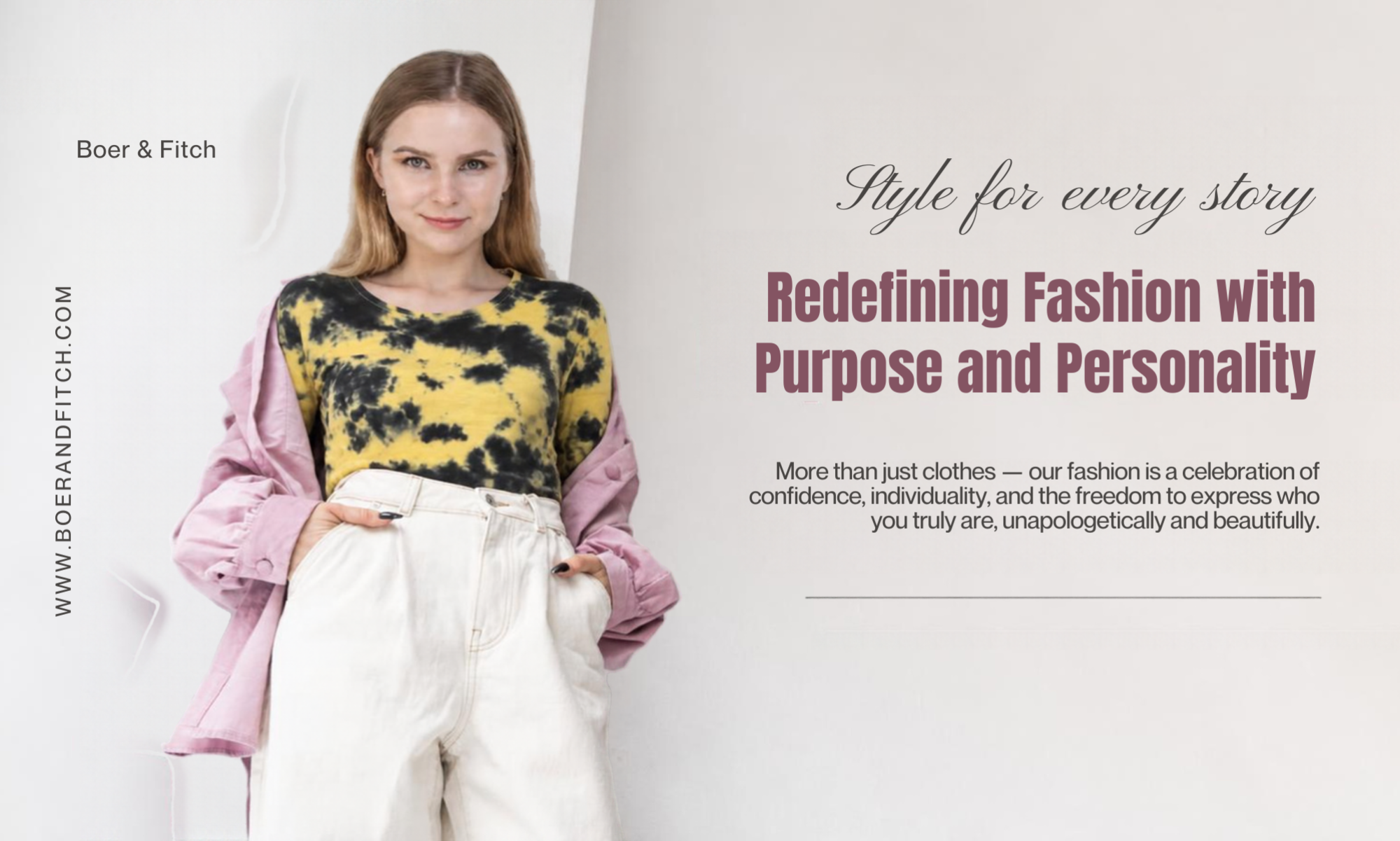
Boer and Fitch was not created simply to sell mens wear. The vision was larger: to build premium quality everyday wear from scratch while keeping it affordable for modern consumers. From sourcing fabrics to manufacturing and final finishing, every stage reflects a commitment to quality, comfort, and trust.
In an era dominated by fast fashion, Boer and Fitch believes good clothing should not only look premium — it should feel reliable every single day.
Starting from Scratch: The Foundation of the Brand
Every successful brand begins with a problem it wants to solve.
For Boer and Fitch, the challenge was clear: many consumers wanted premium mens wear without paying luxury-level prices. The market was crowded with either overpriced fashion labels or low-quality mass-produced products that lacked durability.
Instead of outsourcing everything, the brand focused on own manufacturing and building products from scratch. This approach gave greater control over:
- Fabric sourcing
- Stitching quality
- Fit consistency
- Dyeing standards
- Finishing and packaging
According to global textile research by Textile Exchange, consumers increasingly value transparency, durability, and responsible sourcing in apparel. Modern shoppers want to know how their clothing is made, not just how it looks.
That shift in mindset aligns closely with the philosophy behind Boer and Fitch.
The Importance of Own Manufacturing
One of the strongest pillars of Boer and Fitch is its focus on manufacturers and production control.
Many fashion brands rely entirely on third-party production units. While that may reduce operational responsibility, it often creates inconsistency in quality. Boer and Fitch chose a different path by staying closely connected to manufacturing processes.
This hands-on approach allows the brand to maintain:
Better Quality Checks
Every garment goes through inspections for stitching accuracy, fabric feel, color consistency, and finishing.
Consistent Fits
A good fit is what transforms a regular T-shirt into a wardrobe essential. Maintaining sizing standards becomes easier when manufacturing is closely monitored.
Faster Product Development
Since the process is managed directly, new styles and improvements can move from concept to production more efficiently.
Long-Term Trust
Customers remember consistency. A T-shirt that maintains shape and comfort after multiple washes builds stronger brand loyalty than flashy marketing alone.
Sourcing Premium Quality Materials
The foundation of premium mens wear begins with sourcing.
At Boer and Fitch, fabric selection is treated as one of the most important stages in the journey. Softness, breathability, durability, and GSM balance are carefully considered before production starts.
Organizations like Cotton Incorporated continue to highlight how cotton comfort, moisture management, and durability influence customer satisfaction in everyday wear.
That is why Boer and Fitch focuses on fabrics that deliver:
- Everyday comfort
- Long-lasting durability
- Breathability for Indian weather
- Smooth finishing for a premium look
- Shape retention after washing
The goal is simple: create wear that feels premium without becoming inaccessible.
Affordable Price Without Compromising Quality
One of the biggest misconceptions in fashion is that premium quality must always come with extreme pricing.
Boer and Fitch believes affordability and quality can coexist when manufacturing is managed efficiently. By staying connected to sourcing and production, unnecessary middle layers can be reduced.
This helps the brand offer:
- Better pricing control
- Consistent quality standards
- Higher value for customers
- Reliable product availability
In a competitive fashion market, trust is not built through discounts alone. It is built when customers feel they receive genuine value every time they shop.
That trust and assurance become part of the brand identity itself.
Building a Brand with Trust and Assurance
Fashion trends may change, but trust remains timeless.
For Boer and Fitch, trust is created through consistency — consistent fabrics, consistent fits, and consistent customer experience. The idea is not to chase every temporary trend, but to create dependable mens wear people can confidently wear every day.
The modern consumer is becoming more informed. Reports from McKinsey & Company’s State of Fashion Insights show that buyers increasingly prioritize durability, authenticity, and long-term value over impulse-driven purchases.
That shift creates an opportunity for brands that focus on substance instead of short-term hype.
Boer and Fitch aims to be one of those brands.
The Road Ahead
The journey of building a clothing brand from scratch is never simple. It requires constant learning, strong manufacturing relationships, sourcing expertise, and attention to customer expectations.
But every stitch, fabric choice, and finished product reflects the same mission:
To create premium quality mens wear that feels authentic, comfortable, and accessible.
As Boer and Fitch continues to grow, the focus remains unchanged:
- Premium craftsmanship
- Reliable manufacturing
- Affordable pricing
- Honest quality
- Long-term customer trust
Conclusion
Behind every Boer and Fitch product is a process built with intention. From sourcing premium fabrics to maintaining strict manufacturing standards, the brand believes quality should never be accidental.
In a world filled with fast fashion noise, Boer and Fitch continues to focus on what truly matters — premium wear created from scratch with trust, assurance, and consistency at its core.
If you are looking for mens wear that balances style, comfort, premium quality, and affordability, explore the latest collections from Boer & Fitch and experience the difference behind the brand.