
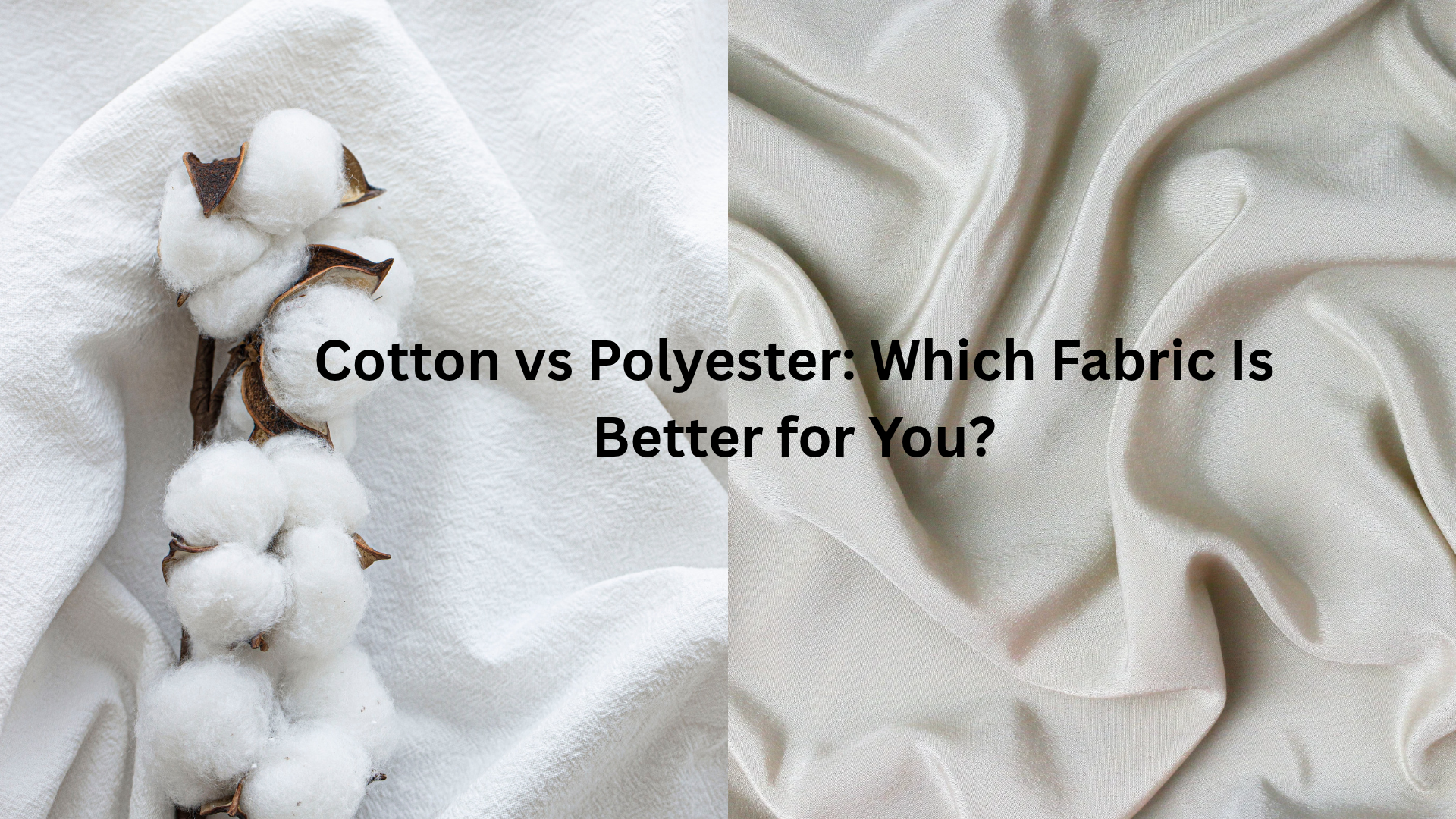
Choosing the right fabric is just as important as choosing the right outfit. Whether you are buying a comfortable T-shirt, a casual shirt or everyday clothing, the material can make a big difference to how you feel throughout the day.
When shopping online, two commonly available materials are cotton and polyester. Both have unique characteristics, but which one is better for everyday wear, especially in India’s warm and humid weather?
In this guide, we compare cotton vs polyester based on comfort, breathability, durability, maintenance and everyday use to help you make a better clothing choice.
1. What Is Cotton Fabric?
Cotton is a natural fibre obtained from the cotton plant. It is widely used in everyday clothing because of its soft feel, moisture absorption and versatility.
Cotton garments are particularly popular for T-shirts, shirts, dresses, tops and casualwear.
Benefits of cotton fabric:
- Breathability: Cotton fabrics generally allow good air circulation, depending on their construction.
- Softness: Cotton can feel gentle and comfortable against the skin.
- Moisture absorption: It absorbs perspiration and moisture.
- Versatility: Suitable for everyday T-shirts, casual shirts and many other garments.
- Easy availability: Available in different textures, weights and finishes.
Cotton is a practical choice for people who prioritise natural fibres and everyday comfort.
2. What Is Polyester Fabric?
Polyester is a synthetic fibre manufactured using chemical processes. It is widely used in fashion because of its strength, lightweight properties and easy-care characteristics.
You will commonly find polyester in sportswear, jackets, activewear, uniforms and casual clothing.
Benefits of polyester fabric:
- Durability: Polyester fibres offer good strength and resistance to wear.
- Quick drying: Polyester absorbs relatively little moisture and generally dries faster than cotton.
- Wrinkle resistance: It tends to retain its shape and resist creasing.
- Lightweight: Many polyester fabrics are suitable for lightweight garments.
- Easy maintenance: Polyester clothing is generally convenient to wash and maintain.
However, standard polyester may feel less comfortable for some people in hot weather, depending on its weave, finish and garment construction.
3. Cotton vs Polyester: Key Differences
Understanding the differences can help you choose clothing according to your lifestyle and preferences.
| Feature | Cotton | Polyester |
|---|---|---|
| Fibre type | Natural | Synthetic |
| Feel | Generally soft | Smooth, depending on finish |
| Breathability | Generally good | Depends on construction |
| Moisture absorption | Higher | Lower |
| Drying time | Usually slower | Usually faster |
| Wrinkle resistance | More prone to creasing | Generally better |
| Durability | Good | Generally high |
| Maintenance | Requires care to prevent shrinkage | Generally easy-care |
Neither material is automatically better in every situation. Fabric quality, thickness, knitting or weaving techniques and garment construction also influence performance.
4. Which Fabric Is Better for Indian Weather?
India experiences different weather conditions, from hot summers to humid monsoons and cooler winters. Therefore, choosing the right clothing material matters.
Cotton for Hot and Humid Conditions
Cotton is often a comfortable option for everyday clothing because it absorbs moisture and can feel soft against the skin.
Consider cotton when choosing:
- Everyday T-shirts and casual tops.
- Comfortable clothing for college and office.
- Casual shirts for daytime outings.
- Relaxed clothing for everyday activities.
Remember that cotton can retain moisture and take longer to dry after heavy perspiration.
Polyester for Active Lifestyles
Polyester can be useful when quick drying and durability are priorities.
Consider polyester for:
- Sportswear and activewear.
- Outdoor activities.
- Travel clothing.
- Lightweight garments that need frequent washing.
Specially engineered polyester fabrics can also offer moisture-wicking performance, making them suitable for certain sportswear applications.
5. What About Cotton-Polyester Blended Fabric?
You do not always have to choose between pure cotton and pure polyester. Many garments combine both fibres to achieve a balance of comfort and performance.
Cotton-polyester blends can offer:
- Better wrinkle resistance than many pure cotton fabrics.
- Improved durability in certain constructions.
- Easier maintenance.
- A combination of cotton’s moisture absorption and polyester’s lower moisture retention.
The exact performance depends on the percentage of each fibre and the fabric construction.
For example, a 60% cotton and 40% polyester blend will behave differently from an 80% cotton and 20% polyester blend.
Always check the garment’s fabric composition before purchasing.
6. How to Choose the Right Fabric for Everyday Clothing
Before buying your next outfit, consider these practical factors:
1. Check your daily activities
If you spend most of your day outdoors or commuting, prioritise comfortable, breathable clothing. For exercise, consider performance fabrics designed for sweat management.
2. Consider your local climate
For everyday wear in warmer Indian cities, lightweight cotton garments can be a comfortable choice.
3. Check the fabric composition
Read product descriptions carefully. Look for the actual fibre percentage instead of relying only on labels such as soft, premium or breathable.
4. Choose the right fit
Even a good fabric can feel uncomfortable if the garment is too tight. Choose a fit that allows comfortable movement and airflow.
5. Follow washing instructions
Wash garments according to their care labels. Avoid excessive heat, which can affect fabric shape, colour and longevity.
7. Why Cotton T-Shirts Are a Popular Everyday Choice
A good T-shirt should offer more than an attractive design. It should feel comfortable during daily activities, pair easily with different outfits and suit your personal style.
Cotton T-shirts are popular because they combine a natural fibre with versatile styling possibilities.
At Boer & Fitch, we focus on creating stylish everyday clothing with attention to fabric selection, product development and affordability. Our range includes selected cotton T-shirts and other casual essentials for men and women.
Whether you prefer a classic solid T-shirt, a printed design or a casual polo, choosing the right fabric can help make your everyday wardrobe more comfortable.
8. Cotton vs Polyester: Which One Should You Choose?
The answer depends on what you expect from your clothing.
Choose cotton if you prioritise natural fibres, softness and moisture absorption for everyday casualwear.
Choose polyester if you prioritise quick drying, wrinkle resistance and performance-oriented clothing.
Consider cotton-polyester blends if you want a combination of different fabric characteristics.
Ultimately, the best fabric is the one that suits your climate, activities, comfort preferences and budget.
Upgrade Your Everyday Style with Boer & Fitch
Looking for comfortable everyday fashion without unnecessary complications? Explore Boer & Fitch’s collection of stylish clothing for men and women.
Discover everyday essentials designed around comfort, quality and affordability.
Premium Quality. Affordable Prices. Everyday Comfort.
Shop online at https://www.boerandfitch.com/
9. FAQs
1. Is cotton better than polyester for everyday wear?
Cotton is often preferred for everyday casualwear because of its softness and moisture absorption. However, polyester can be useful when durability and quick drying are priorities.
2. Which fabric is better for summer in India?
Lightweight cotton is a popular choice for summer clothing because it generally offers good breathability and moisture absorption. Fabric thickness and construction also matter.
3. Do polyester T-shirts last longer than cotton T-shirts?
Polyester generally offers higher wrinkle resistance and good fibre strength. However, the lifespan of a T-shirt also depends on stitching, fabric quality, washing habits and usage.
4. Is a cotton-polyester blend good for daily use?
Yes. Cotton-polyester blends can combine cotton’s moisture absorption with polyester’s durability and wrinkle resistance. Their comfort depends on the blend ratio and fabric construction.
5. How can I identify whether a T-shirt is cotton or polyester?
Check the fabric composition mentioned on the product label or online product description. A 100% cotton garment and a polyester-blend garment should have their respective fibre percentages clearly specified.
Links
| Suggested anchor text | Destination |
|---|---|
| Shop women’s cotton T-shirts | Women’s T-Shirts |
| Explore men’s polo T-shirts | Men’s Polo Collection |
| Shop men’s casual shirts | Men’s Shirts |
| Discover affordable everyday fashion | Discount Zone |
| Explore Boer & Fitch collections | Official Website |
Authoritative references to support the fabric-related information.
| Source | Recommended purpose |
|---|---|
| Scientific study on cotton and polyester fibres | Explain moisture absorption and fibre characteristics. |
| Messe Frankfurt – Fibre Structure and Drying | Explain differences in drying behaviour and fabric properties. |
| Smithsonian – Mold and Mildew on Textiles | Additional information about moisture retention in textiles. |
Recommendation: One or two external links are sufficient. Prioritise the scientific study and textile-industry reference rather than adding unnecessary outbound links.
Conclusion
Use this as the final promotional section of the WordPress article.
Style Meets Everyday Comfort
Choosing the right fabric makes a difference to your everyday wardrobe. Whether you prefer the natural comfort of cotton or the practical benefits of polyester, Boer & Fitch brings you stylish clothing designed for everyday living.
Explore our collections of T-shirts, polos, shirts and casual essentials for men and women.
Premium Quality. Affordable Prices. Everyday Comfort.
Shop Boer & Fitch